When Can You Start Post-Op Massage After Surgery?
If you've recently had a procedure like liposuction, a BBL, or a tummy tuck, you've probably already heard that post-op bodywork can support your recovery. What's less clear to most people is when to actually start.
The honest answer is: it depends, but there's a general timeline most clients follow, and a few things worth knowing before you book.
Most Clients Start Within the First Week
Most clients begin post-operative bodywork within 1 to 7 days after surgery, depending on the procedure and surgeon clearance. There's no single universal timeline that applies to every surgery or every body, which is exactly why surgeon clearance matters more than any general rule found online.
If you're not sure when it's appropriate to start, ask before booking. A quick conversation can help confirm whether you're ready, rather than guessing based on what worked for someone else's recovery.
Why Timing Actually Matters Here
Starting too early, without clearance, isn't a risk worth taking. Surgeons set recovery guidelines based on what's actually happening with healing tissue, swelling, and incisions, and those guidelines exist for a reason specific to your procedure.
Early recovery is when many clients choose to begin post-operative bodywork as part of their recovery plan, though people start at many different stages of healing.
This is part of why "when should I start" isn't really a single fixed answer. It's a question best answered together, by you, your surgeon, and your post-op provider.
What If It's Already Been More Than a Week?
If you're past that early window and wondering whether it's too late to bother, it's not. Better late than never applies here. Post-op bodywork can still be valuable well beyond the first week, even if you missed the earliest part of the timeline. The earlier window is simply when lymphatic support tends to be most useful for managing initial swelling, not a deadline after which sessions stop being worth it.
Recovery Isn't Just Physical
Surgery recovery is a lot to carry, and not just physically. Swelling that takes longer to go down than expected, discomfort that lingers, frustration with a timeline that feels slower than you'd hoped, all of that is common, even when no one talks about it much.
At Muse Bodywork, that's something we keep in mind throughout every post-op session. Recovery can be straightforward for some and a lot harder for others, and either way, you're not just a body healing from a procedure. Whatever the experience looks like for you, that gets space here too.
How to Vet a Post-Op Provider Before You Book
Choosing who works on you during recovery matters just as much as when you start. A reputable provider should be able to answer a few basic questions without hesitation:
- Are you a licensed massage therapist, physical therapist, or other licensed medical professional?
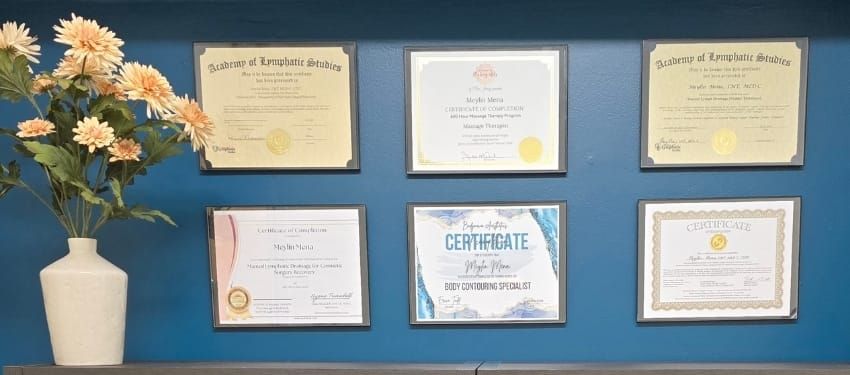
- What specific training or certification do you have in post-operative or lymphatic care?
- How long have you been providing post-op bodywork?
If a provider can't clearly answer where they trained or what certifications they hold, that's a red flag worth taking seriously. In New Jersey, post-op bodywork can be provided by licensed massage therapists, physical therapists, and other medical professionals, but only with proper post-operative training behind it. Post-surgical tissue is sensitive, and this kind of work calls for specific certification, not general experience alone.
What Post-Op Bodywork Actually Involves
Post-operative services at Muse Bodywork are non-medical bodywork techniques. They're intended to support comfort, circulation, and lymphatic movement, not to replace medical care or your surgeon's follow-up instructions. We do not open or drain out of incisions.
Sessions are gentle by design. Some areas may feel tender or sensitive depending on the procedure and healing stage, but a session should never be painful. Communicating how something feels during your appointment is essential, not optional.
A typical early session may focus on:
- Supporting lymphatic movement as part of the body's natural recovery processes
- Gently addressing swelling and tightness as the body heals
- Working with areas of firmness that can develop during recovery, when appropriate for your healing stage
How many sessions you'll need varies based on your procedure, your body's response, and your recovery goals. Many clients choose a package for structured, ongoing support through the healing process rather than booking one session at a time.
Sessions are also only part of the picture. At Muse Bodywork, that includes guidance on your compression garment and what you can do between appointments to help maintain your results. A session can only do so much on its own. The best outcomes tend to come from treating recovery as a partnership, where what happens at home between sessions matters just as much as the time spent on the table.
What to Bring and Expect
If you have a compression garment (faja), bring it to your appointment. Every session starts with a conversation about your procedure, your timeline, and how you're feeling that day, so your therapist can work within an appropriate scope for where you are in recovery.
As healing progresses, sessions typically adjust, both in technique and pressure, based on your stage of recovery and how your body is responding.
A Few Questions Worth Asking Before You Book
- Has my surgeon cleared me for bodywork yet?
- Do I have any specific restrictions for this stage of healing?
- Should I bring my compression garment to every session?
- Is one session enough, or should I be thinking about a package?
There's no wrong time to ask these questions, and a good post-op provider should welcome them.
Serving Mount Laurel and the Surrounding Area
Muse Bodywork is a private, appointment-only studio in Mount Laurel Township, NJ, serving clients throughout Burlington County and South Jersey, including Cherry Hill, Moorestown, Marlton, Delran, and Hainesport.
If you're not sure where you are in your recovery timeline, reach out before booking and we'll help you figure out the right next step.
Book your post-op session now →
This article is for general informational purposes only and is not a substitute for medical advice, diagnosis, or treatment. Post-operative bodywork is a non-medical service and does not replace your surgeon's care or follow-up instructions. Always consult your surgeon before beginning post-operative bodywork, and follow their guidance over any general timeline.
Muse Bodywork also offers therapeutic massage, prenatal massage, sports massage, wood therapy, and assisted stretching. Explore all services →